
Tips for Creating a Cozy and Productive Home Office Space
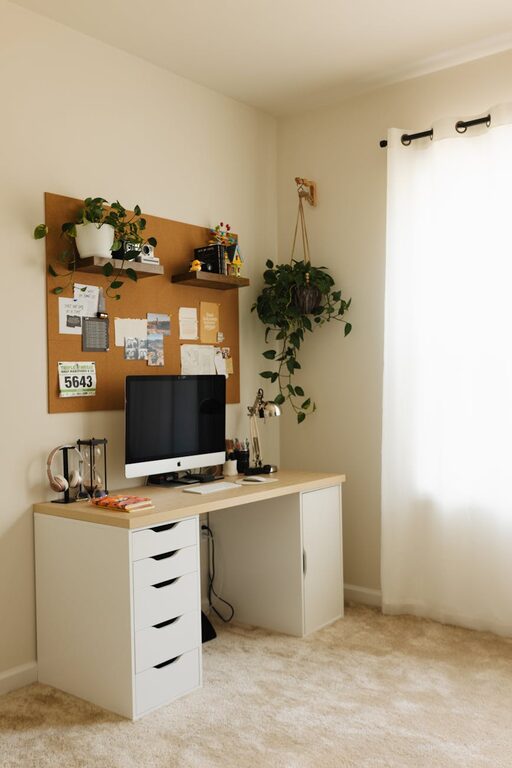
Creating a home office that feels both cozy and productive can significantly improve your work-from-home experience. Whether you’re setting up a space from scratch or refreshing an existing one, thoughtful design choices can help you stay focused and comfortable throughout your workday. This post covers essential tips for building a home office that supports concentration, creativity, and well-being.
Choose the Right Location
Selecting the ideal spot for your home office is the first step in creating an effective workspace.
– Quiet and Private: Find a space where you can minimize distractions and interruptions, ideally away from high-traffic areas of your home.
– Natural Light: Places with windows bring in natural light, which reduces eye strain and boosts mood and energy levels.
– Space to Spread Out: Ensure there’s enough room for your desk, chair, and storage without feeling cramped.
If you don’t have a dedicated room, corners of living rooms or bedrooms can be adapted, but try to visually separate your work area from relaxation spaces.
Invest in Comfortable Furniture
Comfort matters for productivity and health when you work for hours at a time.
– Ergonomic Desk and Chair: Choose an adjustable chair with good lumbar support and a desk at a height that allows your arms to rest comfortably.
– Proper Monitor Position: Place your computer screen at eye level to reduce neck strain.
– Footrest or Cushion: If your feet don’t comfortably reach the floor, use a footrest to maintain proper posture.
Comfortable seating and ergonomic setup help prevent fatigue and physical discomfort, so you can focus longer.
Optimize Lighting
Lighting plays a key role in how your workspace feels and how well you can work.
– Combine Natural and Artificial Light: Use daylight as much as possible and supplement with desk lamps or overhead lighting.
– Avoid Glare: Position your computer screen perpendicular to windows and choose soft, diffused lighting to reduce eye strain.
– Warm Light for Comfort: Warm-toned bulbs can create a cozy atmosphere that’s inviting and less harsh than cool white lighting.
Good lighting keeps you alert and reduces headaches.
Organize and Declutter Your Space
A tidy workspace supports clearer thinking.
– Declutter Regularly: Remove unnecessary items from your desk to keep the surface clear.
– Use Storage Solutions: Shelves, drawer organizers, and filing cabinets keep papers and supplies neatly stored.
– Cable Management: Use clips, tubes, or ties to manage cords and prevent tangles.
An organized office minimizes distractions and saves time looking for items.
Add Personal and Cozy Touches
Making your space feel inviting helps you enjoy your work environment.
– Plants: Greenery adds a natural element and can improve air quality.
– Artwork and Photos: Personalize your space with artwork or pictures that inspire or comfort you.
– Textiles: Consider a soft rug, cushions, or a cozy throw to soften the area and add warmth.
A comfortable environment can reduce stress and keep you motivated.
Use Technology Wisely
Set up your technology thoughtfully to streamline tasks.
– Reliable Internet Connection: Ensure your Wi-Fi is strong to avoid interruptions.
– Noise-Canceling Headphones: These can help block out background noise and improve focus.
– Multi-Monitor Setup: If your work requires, having multiple screens can increase efficiency.
Keep cords tidy and devices charged for a smooth workflow.
Set Boundaries and Schedule Breaks
Your home office should encourage both productivity and self-care.
– Define Work Hours: Establish consistent work times to maintain a healthy work-life balance.
– Take Regular Breaks: Move away from your desk every hour to stretch and rest your eyes.
– Separate Work and Leisure: When the day ends, physically leave your workspace to signal it’s time to relax.
Creating these habits enhances productivity and guards against burnout.
Maintain Good Air Quality and Temperature
Comfort also depends on the air you breathe and room temperature.
– Ventilation: Open windows regularly or use an air purifier if needed.
– Temperature Control: Use fans, heaters, or air conditioning to keep the room at a comfortable temperature.
– Humidity: Consider a humidifier if your home gets very dry, especially in winter.
A comfortable climate helps you stay alert and healthy.
—
Designing a home office that blends coziness with efficiency takes some planning but pays off in your daily work experience. By selecting the right location, investing in comfort, organizing your space, and incorporating personal touches, you can create a workspace that both supports your goals and feels like a welcoming place to spend your day. Remember to listen to your needs and tweak your setup over time for the best results.
Related Post
Tips for Creating a Productive Home Office Space
Discover simple and effective tips to design a home office that boosts your focus, comfort, [...]

Tips for Creating a Cozy and Productive Home Workspace
Discover easy ways to design a home workspace that blends comfort and productivity for better [...]

Tips for Creating a Productive Home Office Space
Discover practical tips to design a productive home office space that boosts focus, comfort, and [...]